
Avoiding Childhood Obesity: What To Do When Your Kid Wants To Binge Eat
Constant snacking and after-school binges are normal — here's how to set calm limits, build real meals, and protect your child's relationship with food.
7 min read
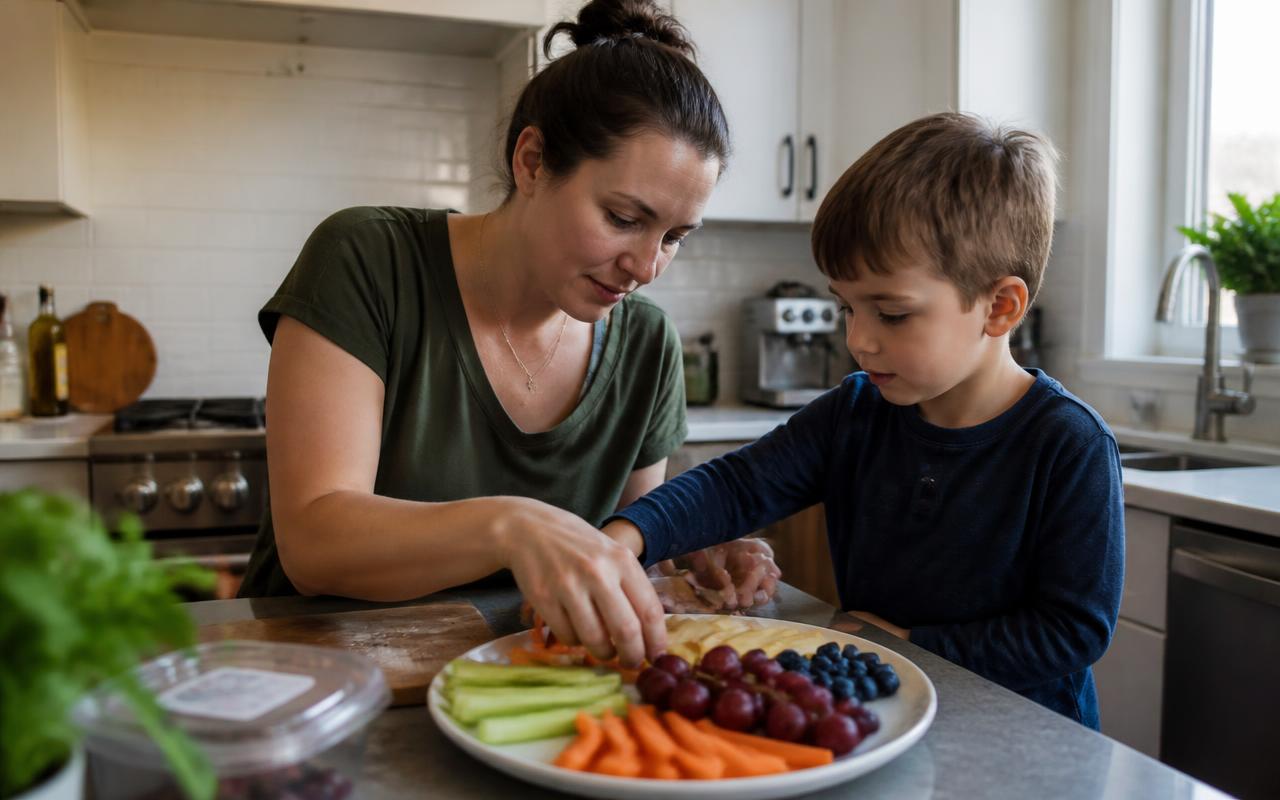
If your child walks in the door and heads straight for the pantry, you are not failing. Kids eat in bursts, and growth spurts are real. But when snacking turns into daily binge eating, it helps to look at the whole day instead of the one moment at the cabinet door.
Ask what the binge is really about
Most after-school binges come from three things: a skipped or too-small lunch, boredom, or big feelings. Before you say no, ask what and when they last ate, and whether something happened at school. Hunger gets a meal. Boredom and stress get your attention, not a snack.
Feed real meals, not all-day grazing
- Three meals plus one or two planned snacks — at the table.
- Protein and fiber at every meal so hunger actually turns off.
- No open-ended pantry access between eating times.
- Water first — thirst often reads as hunger.
Change the kitchen, not the kid
Kids eat what is easiest to reach. Keep cut fruit, yogurt, cheese sticks, popcorn and veggies at eye level, and buy chips and cookies in single servings instead of family-size bags. You are not banning treats — you are removing the bottomless bowl.
Never make food a punishment or a prize
Labeling foods "bad," commenting on your child's body, or using dessert as leverage teaches kids to sneak and to eat past full. Talk about food as fuel and energy: what helps you run, focus, and feel good. Say it about yourself too — they are listening.
Move together
Aim for about an hour of activity a day, and make it social: walks after dinner, bikes, dance videos, backyard games. When movement is family time instead of a workout assignment, kids stop opting out.
When to call the pediatrician
Get help if your child eats to the point of pain, hides food, eats in secret, feels shame afterward, or gains weight rapidly. Binge eating can be a treatable pattern, and early support from your pediatrician or a registered dietitian protects both their health and their confidence.
Be the calm one
Your job is deciding what food is offered and when. Their job is deciding how much of it they eat. Hold that line kindly and consistently, and most of the pantry drama settles on its own.