
Building Habits That Survive a Bad Week
The best habits are not the ones you do perfectly—they are the ones you can return to when sleep is short, schedules change, or life feels like a lot. Learn how to create flexible routines that support you through pregnancy, postpartum, and everyday family life.
6 min read
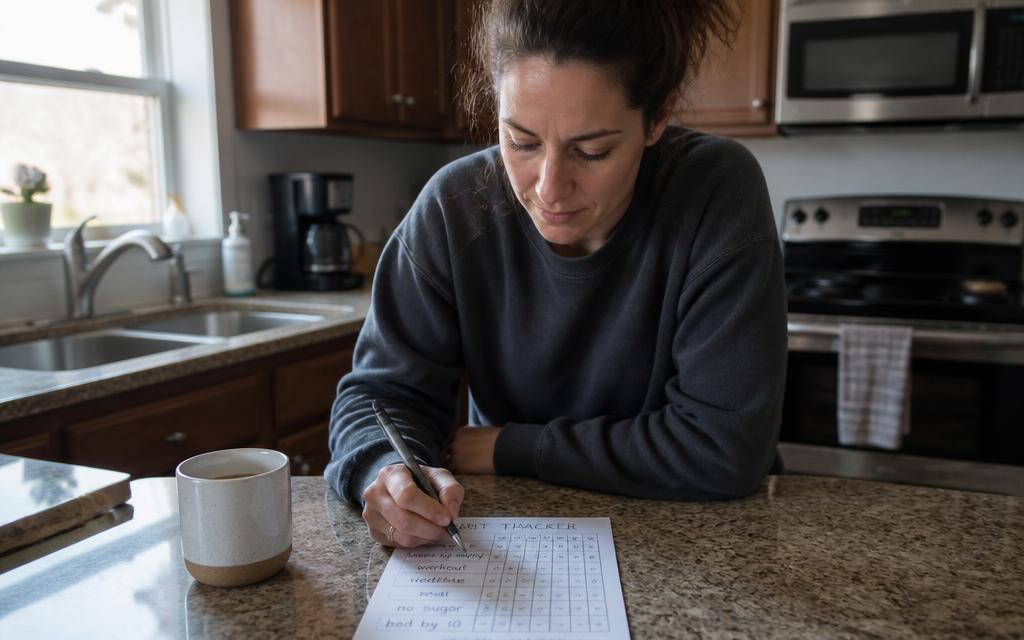
A bad week does not mean you have failed.
It means you are human—and maybe you are tired, pregnant, caring for a baby, juggling work, managing sick kids, or simply carrying more than usual. In those seasons, a picture-perfect wellness routine is not the goal. A routine that bends without breaking is.
The habits that last are usually not built on motivation. They are built on kindness, simplicity, and a plan for the days when life gets messy.
Stop building habits for your best week
It is easy to make a plan when you imagine a calm Monday morning, a stocked fridge, and children who cooperate. But sustainable habits need to work on the weeks when the baby is up at night, your partner is traveling, or dinner is whatever you can pull together in ten minutes.
Instead of asking, “What would be the ideal routine?” try asking:
- What can I realistically do when my energy is low?
- What is the smallest version of this habit that still counts?
- What would help me feel cared for, rather than pressured?
For example, your ideal movement routine may be a 30-minute workout four times a week. Your bad-week version might be five minutes of stretching while the coffee brews, one lap around the block with the stroller, or dancing in the kitchen with your toddler.
All of those count. Movement does not have to be intense to be worthwhile.
Create a “minimum version” of each habit
A minimum version is the easiest possible way to keep a habit alive. It lowers the bar without removing the habit entirely.
Think of it as your backup plan—not because you expect every week to be hard, but because hard weeks are part of real life.
Here are a few examples:
- Balanced meals: Add one easy protein or produce item to what you are already eating.
- Hydration: Refill your water bottle once before lunch.
- Movement: Walk for five minutes, stretch during a TV show, or do a few gentle squats while holding the counter.
- Meal planning: Choose just two dinners instead of planning every meal for the week.
- Rest: Go to bed 15 minutes earlier one night, or sit down while your child plays nearby.
- Connection: Send one text to a friend instead of waiting until you have time for a long phone call.
The goal is not to do the minimum forever. The goal is to avoid the all-or-nothing cycle that says, “If I cannot do it fully, I will not do it at all.”
Make the helpful choice easier to see
When you are overwhelmed, decision-making can feel exhausting. A little preparation can make healthy choices more automatic.
Try setting up your environment so the next supportive step is obvious:
- Keep a water bottle where you feed the baby or work.
- Put shelf-stable snacks, such as nuts, fruit cups, crackers, or nut butter, in a visible spot.
- Keep frozen vegetables, canned beans, eggs, and pasta on hand for quick family meals.
- Place walking shoes by the door.
- Save a short prenatal, postpartum, or gentle movement video to your phone for busy days.
You do not need a perfect pantry or a color-coded planner. You just need a few options that reduce the effort required when your brain is already full.
Use anchors instead of strict schedules
A strict schedule can be hard to maintain with pregnancy symptoms, newborn feeds, naps, appointments, and family needs. Anchors are more flexible.
An anchor connects a habit to something you already do. Rather than saying, “I will exercise at 7:00 a.m.,” you might say, “After I make my morning coffee, I will take three minutes to stretch.”
Other simple anchors might be:
- After brushing your teeth, fill your water bottle.
- When the baby goes down for a nap, eat a snack before starting chores.
- After school pickup, take a five-minute walk with the kids.
- While dinner cooks, prep tomorrow’s breakfast.
Anchors give your habits a home in your day, even when the clock looks different from one day to the next.
Practice restarting quickly
One skipped workout, takeout dinner, or late bedtime does not erase your progress. The real skill is restarting at the next opportunity.
You do not need to “make up” for a hard day by restricting food, exercising extra hard, or trying to overhaul your whole routine on Monday. That approach often adds stress to an already stressful situation.
Instead, try this gentle reset:
1. Notice what happened without judging yourself.
2. Name one thing that would help right now.
3. Take the smallest next step.
Maybe the next step is drinking a glass of water, making eggs and toast for dinner, or stepping outside for fresh air. Small resets build trust with yourself.
Choose consistency that fits your season
Pregnancy, postpartum recovery, and parenting seasons all come with changing needs. Some weeks, your win may be cooking most meals at home. Other weeks, it may be accepting help, ordering groceries, or serving simple foods without guilt.
Healthy family habits can be wonderfully ordinary: oatmeal for breakfast, frozen veggies added to dinner, a walk after dinner, or an earlier bedtime when possible. They do not need to look impressive to support your well-being.
If you have medical, pregnancy-specific, or postpartum questions about food, movement, symptoms, or recovery, check with your healthcare provider for guidance that fits your needs.
A bad week is not a detour from your wellness journey. It is part of it. Build habits that can meet you there—gently, practically, and without shame.