
Choosing a Protein Powder That Fits Your Breastfeeding Routine
A protein powder can be a convenient backup for busy breastfeeding days, but the simplest option is often best. Here is what to look for on a label, what to skip, and how to use it as part of a nourishing routine.
6 min read
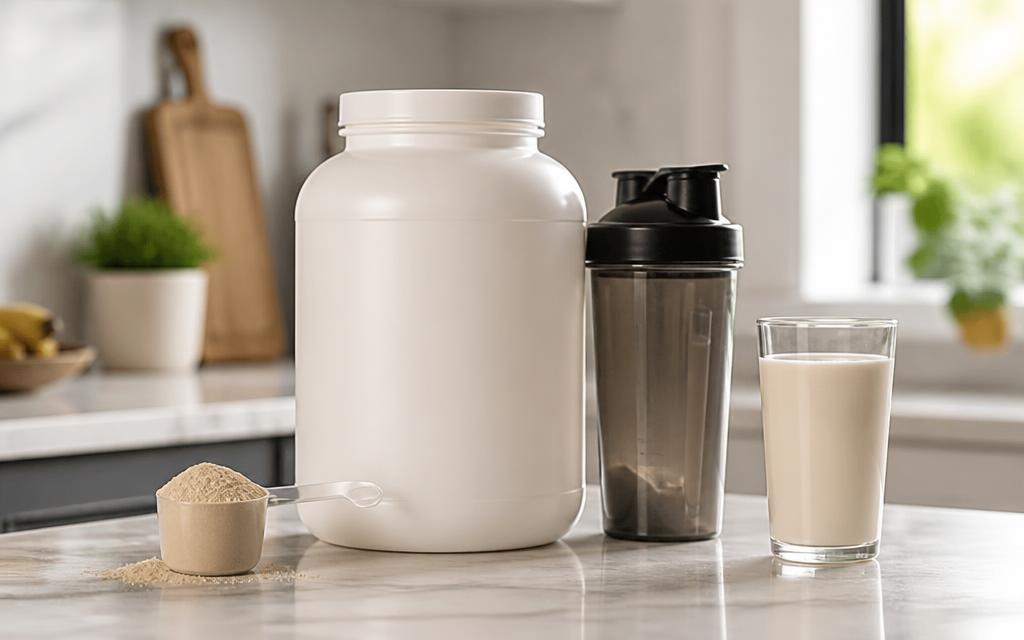
Breastfeeding can make snack time feel like a full-time job. Between feeding a baby, caring for older kids, and trying to eat something before it gets cold, a quick smoothie may sound like a lifesaver.
Protein powder can be a practical pantry helper, especially when a full meal is not possible right away. But it is still a supplement—not a requirement for making milk, losing baby weight, or being a “good” mom. Most breastfeeding parents can meet their needs with everyday foods. A powder simply offers convenience on especially busy days.
Here is a calm, practical way to choose one.
Start with food, then use powder as a backup
Protein-rich foods bring more than protein to the table. Eggs, yogurt, beans, lentils, chicken, fish, tofu, nuts, seeds, and cheese also provide nutrients, texture, and staying power.
That said, a scoop of protein powder can be useful when your breakfast is a piece of toast eaten one-handed. Try thinking of it as one ingredient in a snack or meal rather than a stand-alone solution.
A balanced smoothie might include:
- Milk or fortified soy milk
- Greek yogurt or a scoop of protein powder
- Fruit, such as berries or banana
- Oats for fiber and energy
- Nut or seed butter for satisfying fats
This approach can help a smoothie feel more filling than protein powder mixed with water alone.
Choose a straightforward protein source
The front of a package can be crowded with promises. Turn it around and look at the ingredient list instead. In general, a shorter, more recognizable list is easier to evaluate.
Common protein options include:
- Whey protein: A milk-based protein that mixes easily. Whey isolate is often lower in lactose than whey concentrate, which may matter if you are personally sensitive to lactose.
- Casein protein: Another milk-based option that tends to be thicker and slower-digesting. It can work well in oatmeal or yogurt.
- Soy protein: A complete plant protein and a solid option for people avoiding dairy.
- Pea protein: A popular dairy-free choice. It is often blended with rice, pumpkin seed, or other plant proteins for a broader amino acid profile.
- Egg white protein: A simple dairy-free option for those who tolerate eggs.
There is no single “best” type for breastfeeding. The best fit is one you enjoy, digest comfortably, can afford, and can use consistently. If your baby has a diagnosed allergy or you are navigating a medical elimination diet, ask your provider or a registered dietitian for individualized guidance before changing supplements.
Look for third-party testing
Supplements are not reviewed in the same way as foods before they reach store shelves. That does not mean every protein powder is a problem; it means choosing brands that voluntarily use independent testing is a smart extra step.
Look for seals or statements from reputable third-party testing programs, such as:
- NSF Certified for Sport
- Informed Choice or Informed Sport
- USP Verified
These programs may test for things like identity, ingredient amounts, and certain contaminants or banned substances, depending on the certification. Read the label or company website to understand what a specific seal covers.
It is also reasonable to choose brands that share their testing practices clearly rather than making vague “clean” or “detox” claims.
Skip the unnecessary add-ons
For breastfeeding, plain and boring can be a very good thing. Be cautious with powders marketed for fat burning, metabolism boosting, extreme energy, hormonal balance, detoxing, or post-baby weight loss.
Consider avoiding or asking your provider about products containing:
- Added caffeine or stimulant blends
- Herbs and botanical blends with unclear amounts
- “Proprietary blends” that do not list individual ingredient quantities
- High-dose vitamins and minerals that overlap with your prenatal or postnatal vitamin
- Laxatives, diuretics, or detox ingredients
- Added creatine, collagen blends, or other extras you did not intend to buy
“Natural” does not automatically mean well studied during breastfeeding. A plain whey, soy, pea, or egg white powder is usually easier to assess than a long list of trendy extras.
Check sugar, sweeteners, and your own comfort
Flavored powders can range from lightly sweetened to dessert-level sweet. Compare labels and choose what works for your preferences and budget. You do not need a zero-sugar powder, but you also do not need one with lots of added sugar if you would rather add fruit yourself.
Some powders use sugar alcohols, fibers, gums, or sweeteners that can cause bloating or an upset stomach for some people. If you notice discomfort after using one, that is useful information—not a sign that you failed at healthy eating. Try a smaller serving, a simpler formula, or a different type of protein.
Your baby’s fussiness has many possible causes, so avoid making big food restrictions based on one difficult day. If you consistently notice a pattern and have concerns, check in with your pediatrician or your own provider.
Keep the serving realistic
More protein is not automatically better. Follow the serving size on the package, and let the rest of your day include regular meals and snacks. A half scoop can be plenty when it is blended with yogurt or paired with eggs, toast, or oatmeal.
For a budget-friendly routine, calculate the cost per serving before buying a large tub. A simple unflavored powder may be less expensive and more versatile than single-serve packets or heavily flavored blends.
A gentle final check
Before adding any supplement while breastfeeding, especially if you take medications, have a health condition, or had pregnancy-related complications, check with your healthcare provider. They can help you sort through what fits your individual needs.
A protein powder does not need to be perfect. Choose one that is straightforward, third-party tested when possible, free from unnecessary stimulants and mystery blends, and easy for your family budget. Then use it for what it is: a convenient tool for feeding yourself with a little more ease.