
Cutting Back on Sugary Drinks Without a Meltdown
Small, low-drama changes can help your child drink fewer sugary beverages without turning every meal into a power struggle. Try simple swaps, predictable routines, and plenty of patience.
6 min read
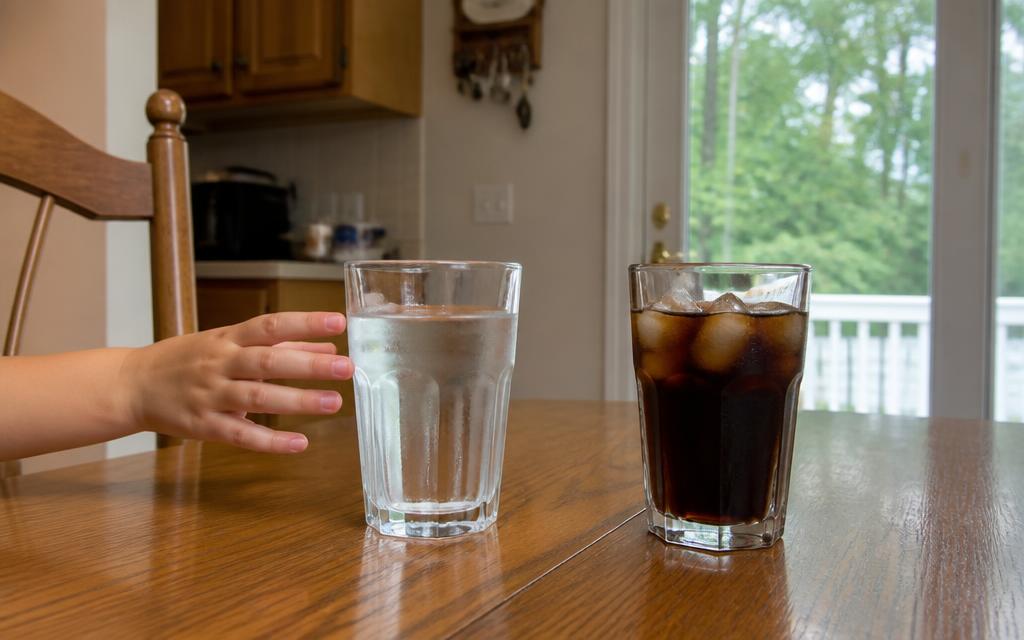
Sugary drinks can become a big family habit before we even notice it. Juice boxes in the stroller bag, sweet tea with dinner, sports drinks after practice, and soda as a weekend treat can add up quickly.
The good news: you do not have to ban every favorite drink overnight. In fact, a sudden all-or-nothing rule can make kids want it even more. A calmer approach—one small change at a time—often works better for everyone.
Start with curiosity, not criticism
Kids do not need a lecture about sugar. They need clear routines and choices that feel manageable. Begin by noticing when sugary drinks show up most often in your family.
Maybe it is:
- Juice at breakfast
- A sweet coffee-style drink on errands
- Soda with pizza night
- Sports drinks after every activity
- Flavored milk or punch at school events
Pick one regular moment to adjust first. This keeps the change from feeling like every fun food is disappearing at once.
For example, if your child drinks juice every morning, you might keep it for now and start by serving water after school instead of a sports drink. Once that feels normal, move to the next habit.
Make water easy to choose
“Just drink water” can feel boring to a child who is used to sweet flavors. Instead of making water a punishment, make it convenient and inviting.
Try these low-cost ideas:
- Let your child choose a reusable water bottle they like.
- Keep cold water in the fridge in a pitcher or refillable bottle.
- Add orange slices, lemon, cucumber, berries, or mint for light flavor.
- Offer water with a fun straw or small cup for younger children.
- Bring water along before leaving home, especially for errands and activities.
If plain water is a big leap, start by mixing a little juice with water and gradually increasing the water over time. There is no prize for making the change in one day.
Keep the message simple and neutral
Try to avoid labeling drinks as “bad,” or saying that a child has to earn a sweet drink by behaving, exercising, or finishing dinner. That can make the drink seem extra special and create more power struggles.
Instead, use calm, matter-of-fact language:
- “Water is what we’re having with lunch today.”
- “Juice is for breakfast; water is for the playground.”
- “We’re saving soda for our restaurant meal.”
- “Your choices are cold water or milk.”
You are setting the structure, while still allowing a little choice within it. This is especially helpful for toddlers and preschoolers who want independence.
Create predictable drink routines
Kids usually handle limits better when they know what to expect. Rather than negotiating drink choices all day, decide when certain beverages fit in your family routine.
A realistic routine might look like this:
- Water between meals and during play
- Water or milk with most meals
- A small serving of 100% juice with a meal, if your family enjoys it
- Sweet drinks for occasional celebrations, restaurant meals, or a planned weekend treat
The exact plan is up to your family’s budget, culture, schedule, and preferences. The goal is not perfection. It is helping everyday drinks become less sweet over time.
Watch the “healthy” drink traps
Many drinks marketed to kids sound healthy but can still be very sweet. Juice drinks, fruit punches, sweetened teas, flavored waters, sports drinks, energy drinks, and some smoothie drinks may contain more added sugar than families realize.
A few practical reminders:
- Whole fruit offers fiber and tends to be more filling than juice.
- Most kids do not need sports drinks for regular play, school recess, or a typical practice.
- Energy drinks are not a good choice for children.
- Smoothies can be a snack or meal component, but they can become very sweet when made mostly with juice, syrups, or sweetened yogurt.
Reading labels can help, but you do not need to turn grocery shopping into a science project. Choose water most often, and keep sweet drinks less frequent.
Expect some pushback—and stay calm
Your child may complain at first. That does not mean you are doing anything wrong. New routines take time, especially when a sweet drink has been part of comfort, celebration, or screen time.
When the protest begins, keep your response short:
- “I know you wanted juice. Water is available now.”
- “It’s okay to be disappointed.”
- “You can choose your blue cup or your green cup.”
Avoid long debates. A warm, boring repeat of the boundary is often more effective than trying to convince a hungry or tired child.
If a change causes daily battles, scale it back. Maybe you start with one fewer sugary drink each week rather than removing it all at once. Progress that your family can maintain matters more than a strict plan that creates stress.
Let kids see the adults practicing, too
Children notice what we drink. You do not have to be perfect, but it helps when they see you reach for water, keep sweet drinks occasional, and enjoy other options without complaining.
Try a family water check before leaving the house: everyone fills a bottle, and everyone brings it along. It is a simple habit that can save money, reduce last-minute convenience-store stops, and make the healthier choice easier.
If you have questions about your child’s hydration, nutrition needs, dental health, or a pregnancy- or medical-specific concern, check with your pediatrician, dentist, or healthcare provider. For everyday family life, start small, stay kind, and remember: one calmer drink choice at a time can add up.