
Grocery Shopping for a Healthy Family on a Tight Budget
Healthy family meals do not require a fancy grocery cart or a perfect plan. A few simple shopping habits can help you buy nourishing foods, waste less, and stay within your budget.
6 min read
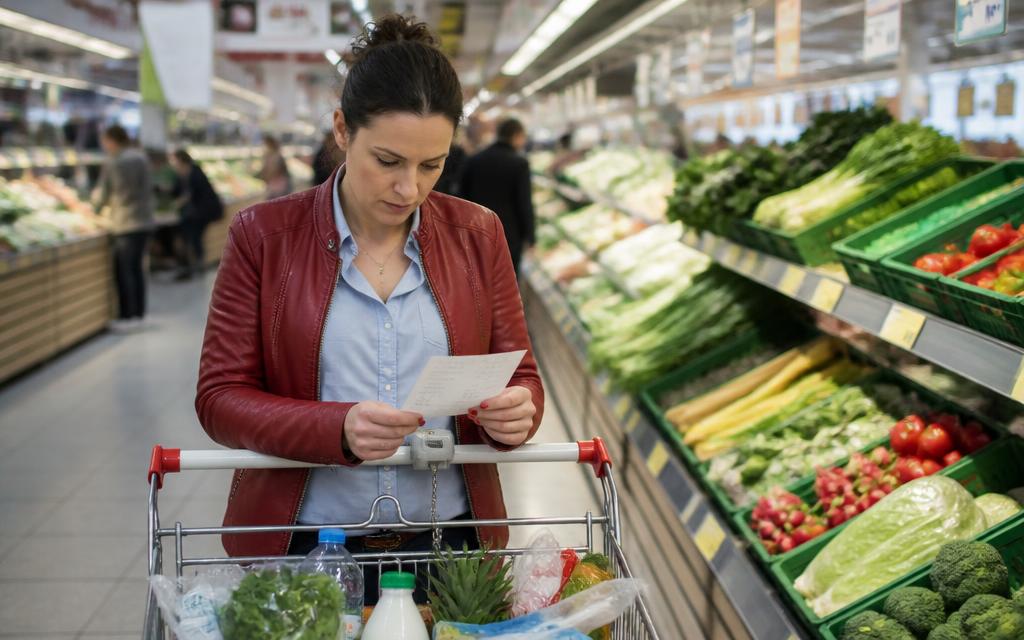
A healthy grocery budget is less about buying “perfect” foods and more about building a flexible cart you can actually use. As a mom of two, I know the store can feel overwhelming—especially when you are hungry, short on time, pregnant, postpartum, or trying to make one paycheck stretch.
The good news: simple, nourishing meals can come from affordable staples. You do not need specialty products, expensive snacks, or a fridge full of fresh produce that goes bad before Friday.
Start with a small plan, not a strict menu
Before shopping, take five minutes to look in your fridge, freezer, and pantry. Build your list around what you already have. That half bag of rice, frozen broccoli, canned beans, or chicken in the freezer can become the starting point for several meals.
Instead of planning seven elaborate dinners, try choosing:
- 3 to 4 dinner ideas
- 2 easy breakfast options
- 2 lunch or leftover options
- A few snacks your family reliably eats
Leave room for leftovers, busy nights, and the occasional takeout meal. A plan that is a little flexible is more likely to work than one that expects you to cook every night.
Build meals around budget-friendly basics
Affordable staples are not boring—they are the building blocks that make meals filling and easy to mix and match. Aim for a simple formula: protein + produce + a satisfying carbohydrate + flavor.
Some economical staples include:
- Oats, rice, pasta, potatoes, and whole-grain bread
- Eggs, canned tuna or salmon, beans, lentils, peanut butter, and yogurt
- Chicken thighs, ground turkey, or whatever meat is on sale
- Frozen vegetables and fruit
- Canned tomatoes, corn, pumpkin, and beans
- Bananas, apples, carrots, cabbage, onions, and seasonal produce
For example, rice, black beans, salsa, frozen corn, and shredded cheese can become burrito bowls. Eggs, potatoes, and spinach make an easy breakfast-for-dinner meal. Pasta with canned tomatoes, lentils, and frozen vegetables is comforting, family-friendly, and usually less expensive than convenience foods.
Let sales guide your choices
Check the weekly store flyer, app, or digital coupons before you go. You do not have to chase every deal. Just look for sales on foods your family already enjoys.
If chicken is on sale, plan one chicken dinner and freeze an extra package if your budget allows. If apples are less expensive than berries that week, choose apples. Seasonal produce is often a good value, but frozen produce is a smart option when fresh choices are costly or likely to spoil.
A good sale is only a deal if you will use it. Buying five boxes of something no one likes is not saving money.
Choose frozen and canned foods without guilt
Fresh produce is wonderful, but it is not the only healthy choice. Frozen vegetables and fruit are often picked and packaged quickly, and they last much longer than fresh options. They are especially helpful during postpartum weeks or seasons when grocery trips feel hard.
Keep a few freezer favorites on hand, such as:
- Broccoli, peas, mixed vegetables, spinach, and stir-fry blends
- Berries, mango, or peaches for oatmeal and smoothies
- Pre-chopped onions or peppers when convenience helps you cook at home
Canned foods can also make meals easier. Choose lower-sodium options when available, or rinse canned beans and vegetables if that works for your family. Canned beans, tomatoes, tuna, and fruit packed in juice are practical pantry helpers.
Shop your family’s real life
Healthy eating does not mean making separate meals for every person. It means choosing foods that work for your household, your schedule, and your budget.
If your children love quesadillas, add beans, leftover chicken, or spinach on the side. If your partner prefers hearty meals, serve a simple salad or frozen vegetables alongside pasta or chili. If pregnancy nausea or postpartum appetite changes are making food difficult, keep easy options around: toast, yogurt, fruit, crackers, soup, cheese, or whatever feels manageable.
There is no prize for buying foods that look healthy but sit untouched in the pantry. Buy foods your family will eat, then make small additions over time.
Reduce waste with a “use first” plan
Food waste quietly drains a grocery budget. When you unpack groceries, place older foods where you can see them first. Keep a small bin in the fridge for “use soon” items, such as soft vegetables, opened cheese, or leftover meat.
A few easy rescue ideas:
- Add aging vegetables to soup, eggs, pasta sauce, or a sheet-pan meal.
- Freeze ripe bananas for smoothies or oatmeal.
- Turn leftover rice into fried rice with eggs and frozen vegetables.
- Use extra cooked meat in tacos, sandwiches, salads, or baked potatoes.
One leftover night per week can save money and gives you a break from cooking.
Keep snacks simple and filling
Packaged snack foods can add up quickly. You do not need to ban them, but having a few inexpensive basics helps. Try popcorn, apples with peanut butter, yogurt, cheese and crackers, boiled eggs, homemade muffins, carrots with hummus, or toast with nut butter.
Portioning larger packages into small containers or bags can be helpful, but it does not need to be fancy. A bowl of popcorn or sliced fruit on the table after school can go a long way.
A gentle reminder
A tight budget does not mean you are failing your family. Feeding people day after day is meaningful work, and simple meals count. Start with one change: make a list, buy one frozen vegetable, plan leftovers, or cook one extra pot of beans.
If you have medical, pregnancy-specific, allergy, or nutrition concerns, check with your healthcare provider or a registered dietitian for guidance tailored to you.