
Healthy After-School Snacks That Stop the Pantry Raid
A satisfying after-school snack can take the edge off hunger, support busy family afternoons, and make dinner feel less stressful. These simple, budget-friendly ideas pair familiar foods in ways that help kids feel full and happy.
6 min read
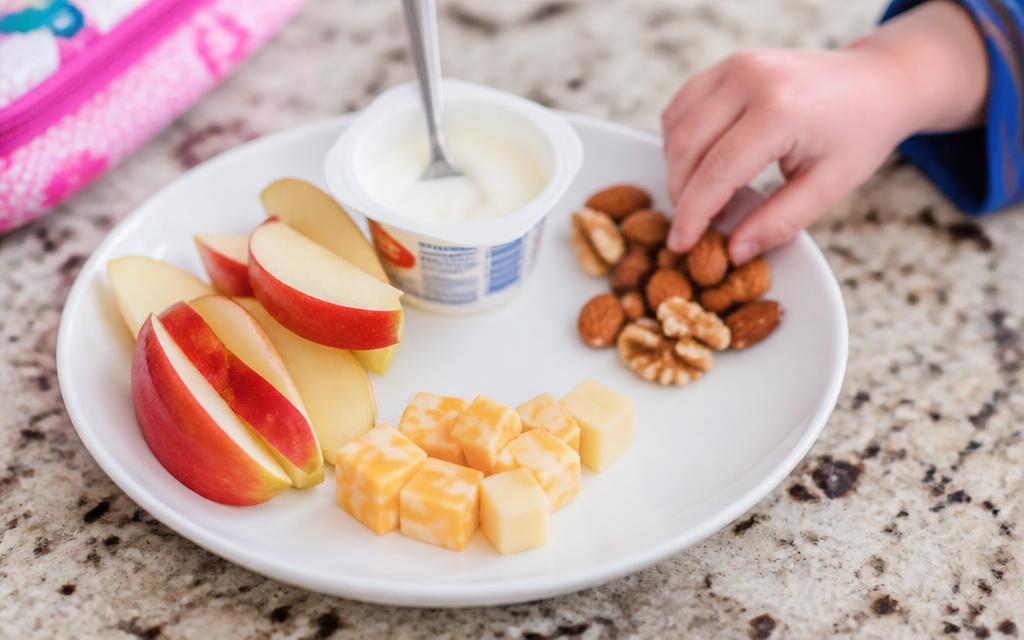
The school-day hunger is real. Kids walk through the door, drop their backpacks, and suddenly seem ready to eat every cracker, cereal bar, and snack chip in the pantry.
That after-school appetite makes sense: lunch may have been hours ago, recess can be active, and dinner is often still a little way off. The goal is not to make kids eat less or to turn snack time into a food rulebook. It is to offer a snack that feels satisfying enough to carry them through homework, practices, and play.
A simple formula helps: pair a carbohydrate food for quick energy with protein or fat for staying power. Think fruit plus yogurt, crackers plus cheese, or toast plus peanut butter. These combinations are filling, familiar, and easy to adapt to your family’s budget.
Build a snack that lasts
A snack does not need to be fancy to work well. Start with one item from each column:
- Carbohydrate: fruit, whole-grain toast, crackers, oats, cereal, pita, popcorn, or a tortilla
- Protein or fat: cheese, yogurt, milk, eggs, beans, hummus, peanut butter, sunflower seed butter, or avocado
- Optional produce boost: sliced veggies, applesauce, berries, bananas, cucumber, bell peppers, or whatever is in season
For younger children, keep portions small and let them ask for more. For older kids or those heading to sports, a larger snack may be needed. There is no single “right” amount; appetite can change from day to day.
Easy after-school snack ideas
Keep a short list on the fridge so you are not reinventing snack time at 3:30 p.m.
- Apple slices with peanut butter or sunflower seed butter
- Plain or lightly sweetened yogurt topped with frozen berries and oats
- Whole-grain crackers, cheese cubes, and grapes
- Toast with mashed avocado and a sprinkle of cheese
- Hummus with pita wedges, carrots, cucumbers, or pretzels
- A banana with a glass of milk or a fortified dairy-free alternative
- Mini quesadilla: tortilla, beans, and shredded cheese warmed in a skillet
- Popcorn with cheese cubes or a side of yogurt
- Hard-boiled egg, toast, and orange slices
- Cottage cheese with peaches, pineapple, or berries
- Leftover rice with black beans, salsa, and shredded cheese
- Homemade snack plate with cereal, fruit, cheese, and a few nuts or seeds for kids who can safely eat them
Leftovers count, too. A small bowl of last night’s pasta, soup, or chicken and rice can be an excellent after-school snack, especially on a busy activity day.
Make the healthier choice the easiest choice
You do not need a perfectly stocked kitchen. A little setup can make it easier for kids to choose a more filling option before reaching for random pantry snacks.
Try these practical routines:
- Wash fruit when you bring it home and place it where kids can see it.
- Keep a lower fridge bin stocked with yogurt, cheese sticks, cut vegetables, and containers of leftovers.
- Portion crackers, popcorn, or cereal into reusable containers instead of relying on single-serve packages.
- Make a batch of hard-boiled eggs, bean dip, or muffins once a week if that works for your schedule.
- Put a simple snack list on the fridge: “Choose one fruit or grain + one protein.”
- Serve snack at the table when possible. It is easier for kids to notice when they have had enough when food is not paired with scrolling or rushing out the door.
This is not about banning chips, cookies, or packaged snack foods. Those foods can absolutely fit in family life. The helpful shift is making sure there are also options that truly satisfy hunger.
Save money without sacrificing convenience
Kid snacks can become expensive fast, especially when every item comes in an individual wrapper. Budget-friendly staples often do the job just as well.
Choose store-brand oats, popcorn kernels, peanut butter, eggs, beans, plain yogurt, seasonal fruit, and block cheese. Frozen fruit and vegetables are also useful when fresh produce is pricey or tends to spoil before your family gets to it.
A few low-cost snack combinations include:
- Banana and peanut butter
- Popcorn and milk
- Beans and cheese in a tortilla
- Oatmeal with yogurt and frozen fruit
- Carrots with hummus
- Toast with egg or cheese
If you buy packaged snacks for convenience, pair them with something more substantial. A granola bar plus yogurt, for example, is likely to hold a child longer than the bar alone.
Keep dinner in mind
If dinner is less than an hour away, offer a lighter snack such as fruit and cheese or vegetables with hummus. If dinner is two or three hours away, a more substantial snack may help everyone arrive at the table in a better mood.
It can also help to name the plan: “We are having a snack now, and dinner will be ready after practice.” Kids do not need to clean their plates at snack or dinner, but knowing food is coming can make the afternoon feel calmer.
Every family has different schedules, food preferences, allergies, and budgets. Use these ideas as a flexible starting point, not another standard to meet perfectly. A satisfying snack is simply one small way to support growing kids—and make that pantry raid a little less intense.