
How to Lose the All-or-Nothing Mindset With Your Health
You do not need a perfect meal plan, a flawless workout streak, or a total lifestyle overhaul to care for your health. Small, repeatable choices can help you feel more supported through pregnancy, postpartum, and busy family life.
6 min read
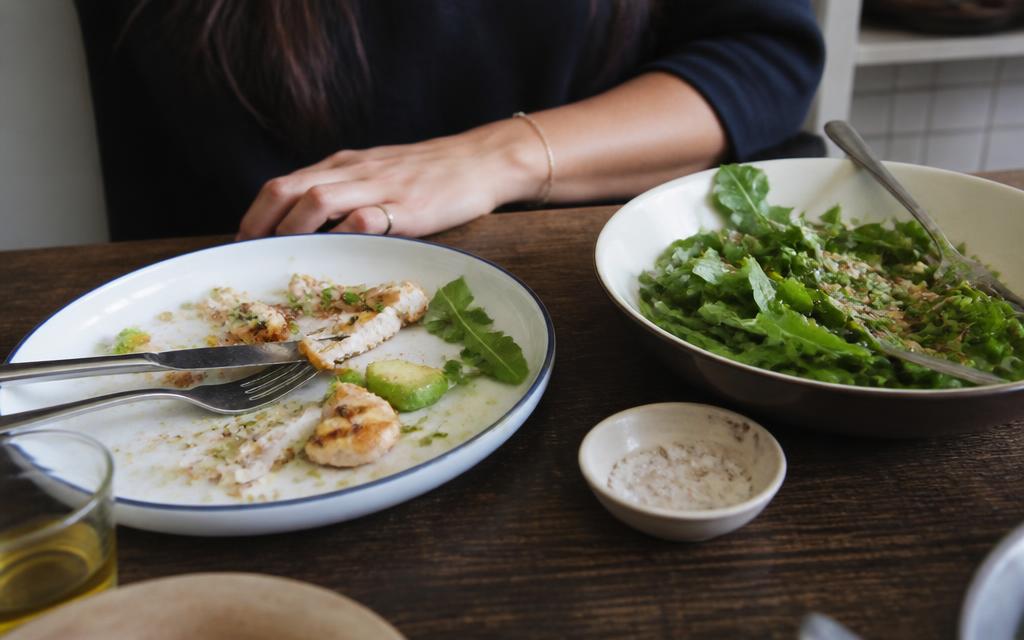
Have you ever started Monday with a detailed plan to eat “perfectly,” exercise every day, drink more water, and skip every treat—only to feel like the whole week was ruined after a drive-thru lunch or missed workout?
You are not alone. The all-or-nothing mindset is incredibly common, especially when you are tired, caring for children, growing a baby, healing after birth, or simply trying to stretch a family budget.
The good news: health does not disappear because one meal, one day, or one week looks different than you planned. Letting go of perfection can make healthy habits more realistic—and much easier to keep.
What all-or-nothing thinking sounds like
All-or-nothing thinking turns everyday choices into a pass-or-fail test. It may sound like:
- “I ate cookies, so I might as well keep snacking.”
- “I missed my workout, so this week is a wash.”
- “If I cannot cook every meal from scratch, there is no point.”
- “I need to lose weight quickly, or I am failing.”
- “I will start over next month when life calms down.”
This mindset can feel motivating at first because it offers clear rules. But real family life is not clear and controlled. Kids get sick. Sleep is broken. Pregnancy symptoms change. Budgets are tight. Dinner needs to happen even when everyone is hungry now.
A plan that only works under perfect conditions is not a supportive plan.
Aim for “good enough” consistency
Healthy routines are not built by doing everything right. They are built by returning to a few helpful choices again and again.
Think of your health habits like brushing your teeth. You do not quit brushing because you missed one night. You simply brush the next time you can.
The same can be true for food and movement. A balanced breakfast after a rough evening matters. A 10-minute walk counts. Adding frozen vegetables to pasta counts. Choosing a glass of water before your second coffee counts.
Small choices may not feel dramatic, but they create the kind of consistency that fits real life.
Replace rigid rules with flexible anchors
Instead of building your day around strict food rules or long workout plans, choose a few flexible anchors. Anchors are simple habits you can return to, even during a busy season.
Try one or two of these:
- Include a protein food at breakfast, such as eggs, yogurt, beans, peanut butter, or cottage cheese.
- Add a fruit or vegetable to one meal each day.
- Keep easy snacks available, like bananas, popcorn, cheese sticks, oatmeal, or peanut butter crackers.
- Take a short walk, stretch, or play actively with your kids for 10 minutes.
- Fill a water bottle in the morning and sip from it through the day.
- Make half your dinner plate foods you enjoy that also help you feel nourished—not foods you think you “should” eat.
These are not rules to grade yourself on. They are options. On a hard day, doing one anchor is still a win.
Stop labeling foods as “good” or “bad”
Food does not have moral value. You are not “good” for eating a salad, and you are not “bad” for enjoying pizza, cake, or chips.
When foods are placed on a forbidden list, they often become more tempting. Then, if you eat them, guilt can lead to the familiar “I already blew it” feeling.
A more peaceful approach is to make room for both nourishment and enjoyment. You might serve tacos with beans, cheese, salsa, and fruit. You might have a frozen pizza and add a bagged salad. You might enjoy dessert after dinner without deciding that tomorrow has to become a punishment day.
For many families, practical meals are the meals that happen. Convenience foods, canned foods, frozen produce, and simple repeat dinners can all have a place at the table.
Have a reset plan—not a restart date
You do not need to wait for Monday, the first of the month, or a new set of groceries to begin again. Create a tiny reset you can use at any moment.
Your reset might be:
1. Take a breath and notice the thought: “I am having an all-or-nothing moment.”
2. Ask, “What would support me in the next hour?”
3. Choose one small action, such as eating a snack with protein, drinking water, stepping outside, or planning a simple dinner.
That is it. No detox, skipped meals, extra exercise, or guilt required.
Let your season guide your goals
Your capacity may look different during pregnancy, early postpartum, breastfeeding, a stressful work season, or a stretch of interrupted sleep. That is not a lack of discipline. It is information.
Some seasons are for building momentum. Others are for maintaining the basics. Both matter.
If you are pregnant or postpartum, especially if you have questions about nutrition needs, activity, weight changes, pain, bleeding, mood, or healing, check with your healthcare provider for guidance specific to you.
Practice a kinder question
When perfection shows up, try replacing “Did I do this perfectly?” with:
- “What went well today?”
- “What made this hard?”
- “What is one caring choice I can make next?”
- “How can I make this easier for myself tomorrow?”
Your health is not a 30-day challenge or a number on a scale. It is a long relationship with your body, your family, and your daily life. You do not have to earn your way back after an off day.
You can simply take the next supportive step—and then another.