
How to Read Food Labels Without Falling for Health-Food Marketing
Words like “natural,” “protein-packed,” and “made with whole grains” can sound healthy without telling the whole story. Use this simple label-reading routine to choose foods that work for your budget, your family, and your real life.
6 min read
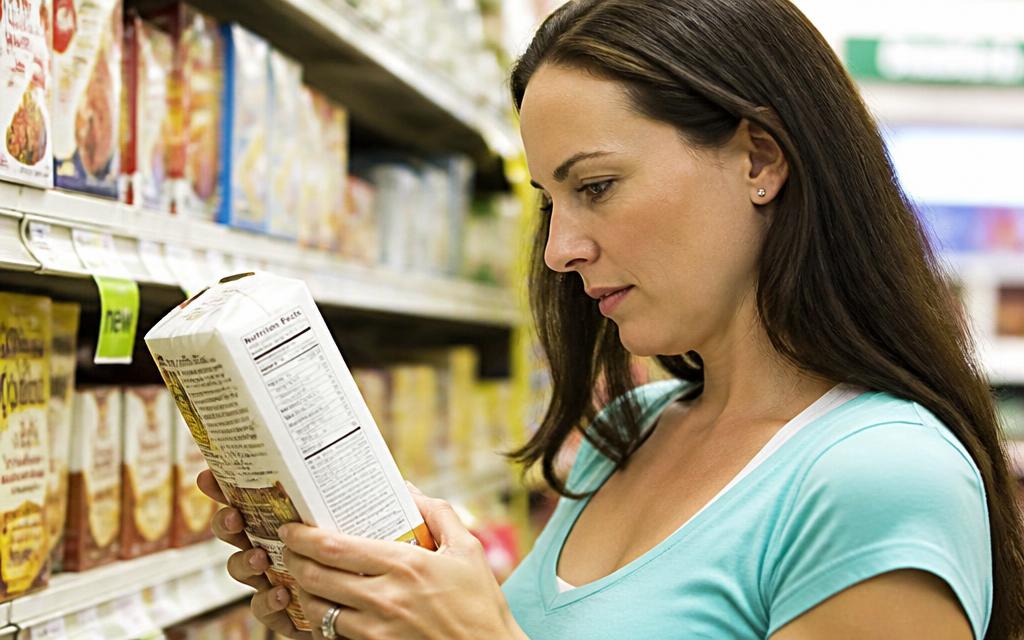
A bright package can make almost any food look like a wellness win. “Wholesome.” “Light.” “Plant-based.” “No added sugar.” These claims are designed to catch your eye—but they are not the full nutrition story.
You do not need to buy only organic, make everything from scratch, or memorize a long list of ingredients to feed your family well. A few practical label checks can help you spend your grocery money on foods that truly fit your needs.
Start with the serving size
The serving size at the top of the Nutrition Facts panel is your first reality check. All of the numbers below it—calories, sodium, fiber, protein, and sugar—are based on that amount.
A package may look like one snack, but contain two or three servings. That does not mean you cannot eat the whole package. It simply means the label is showing nutrition for a smaller portion than you may actually have.
For example, if a bottled smoothie has two servings and 18 grams of added sugar per serving, drinking the full bottle means you are getting 36 grams of added sugar.
No need for perfection here. Serving size is information, not a rule. Use it to compare products and decide what portion feels satisfying for you.
Look past the front-of-package claims
Front labels are marketing. They often highlight one positive feature while leaving out the bigger picture.
Here are a few common claims and what they really mean:
- “Made with whole grains”: It may contain some whole grains, but refined flour can still be the main ingredient.
- “Multigrain”: This means more than one type of grain, not necessarily whole grains.
- “Natural”: This is not a guarantee that a food is more nutritious.
- “Protein-packed”: Check the actual protein grams and notice what else comes with it, such as lots of sugar or saturated fat.
- “No added sugar”: The food can still contain naturally occurring sugars, and it may use concentrated fruit ingredients that make it quite sweet.
- “Gluten-free”: Important for people who need to avoid gluten, but it does not automatically mean lower in sugar, higher in fiber, or more nutritious.
Turn the package over before putting it in your cart. The Nutrition Facts panel and ingredient list are much more useful than the slogan on the front.
Use a quick “fiber, protein, added sugar” check
You do not have to analyze every number on every label. For many packaged foods, these three are a helpful starting point.
Fiber
Fiber supports satisfying meals and snacks, and many families do not get enough. When comparing breads, cereals, crackers, snack bars, or tortillas, look for options with a few grams of fiber per serving when possible.
Whole grains, beans, fruits, vegetables, nuts, and seeds are naturally good sources. A product does not need a giant fiber number to earn a place in your pantry—especially if your child will actually eat it.
Protein
Protein can help a snack or meal feel more filling. Foods such as yogurt, milk, eggs, beans, lentils, tofu, chicken, fish, nuts, and seeds can all contribute.
For convenience foods, compare similar options. A yogurt with more protein and less added sugar may be a more satisfying choice than a sweetened dessert-style yogurt. But a regular yogurt your family enjoys is still useful food, especially paired with fruit or cereal.
Added sugar
On newer Nutrition Facts labels, “Added Sugars” appears beneath total sugars. This helps separate sugars added during processing from sugars naturally present in foods like fruit and plain dairy.
Added sugar is not something you need to fear or eliminate. It is simply helpful to notice, particularly in foods marketed as everyday breakfast or snack choices. Compare brands, then choose what fits your budget and tastes good enough to use.
Check sodium when buying convenience foods
Sodium is another number worth comparing in packaged soups, frozen meals, sauces, deli meats, boxed mixes, and snack foods. Convenience foods can absolutely belong in a busy family kitchen. They save time, reduce stress, and sometimes prevent expensive takeout.
When you have a choice, compare two similar products and pick the lower-sodium option that your family will enjoy. You can also stretch higher-sodium items by adding no-salt ingredients: frozen vegetables to soup, beans to taco meat, or plain rice alongside a saucy freezer meal.
If you have pregnancy-related or other medical questions about sodium or a specific eating plan, check with your healthcare provider.
Read the ingredient list with common sense
Ingredients are listed from the largest amount to the smallest. This can tell you more than buzzwords ever will.
For grain products, look for whole grain ingredients near the beginning of the list, such as whole wheat flour, oats, brown rice, or whole corn. For foods like pasta sauce or peanut butter, a shorter list can be convenient—but short is not automatically better.
Long ingredient lists are not proof that a food is “bad.” Fortified cereal, whole-grain bread, and frozen meals may have longer lists and can still be practical, nourishing choices. The goal is not to avoid every unfamiliar word. The goal is to understand what you are buying most often.
Make label reading work on a family budget
The best grocery choices are the ones you can afford, prepare, and eat consistently. Instead of hunting for a perfect product, compare two or three options in the same category.
Try these simple swaps when they make sense:
- Choose the cereal with more fiber and less added sugar per serving.
- Pick store-brand plain oats and add your own cinnamon, fruit, or peanut butter.
- Buy canned beans with lower sodium, or rinse regular canned beans.
- Choose frozen fruit without sweetened sauce.
- Compare yogurt tubs instead of single-serve cups for a lower-cost option.
A label is a tool, not a test. Your pantry can include boxed mac and cheese, cookies, frozen pizza, and snack foods alongside produce, beans, eggs, and whole grains. Feeding yourself and your family is not about earning a gold star. It is about making enough helpful choices, often enough, to support your busy life.