
One Hour of Sunday Meal Prep for an Easier Week
A simple one-hour Sunday routine can make weekday meals feel calmer without spending your whole weekend in the kitchen. Prep flexible building blocks, not perfect meals, so your family can mix and match all week.
6 min read
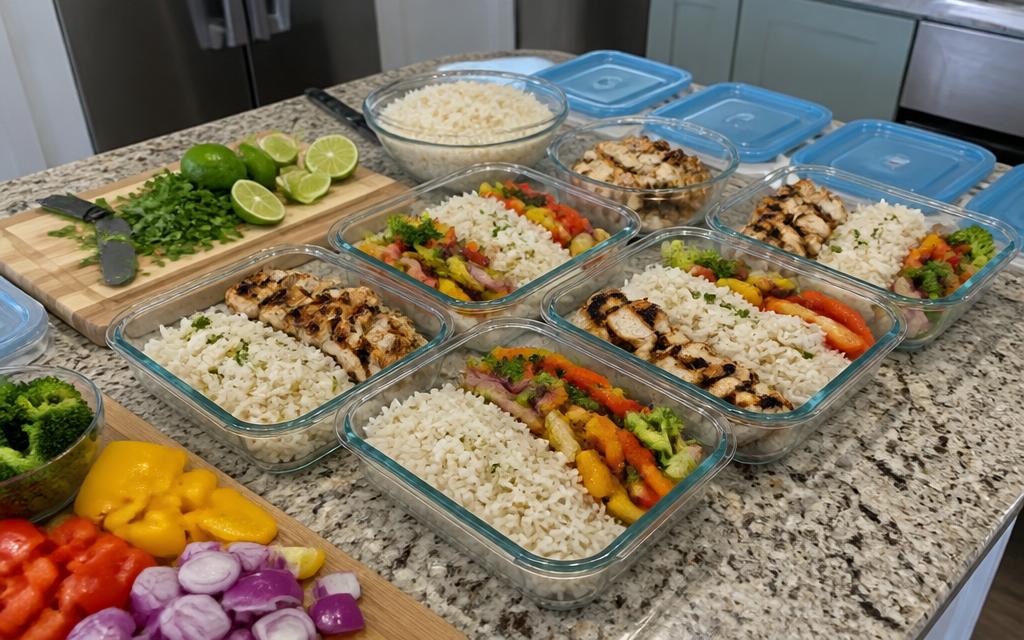
Sunday meal prep does not have to mean a refrigerator full of identical containers or a complicated list of trendy recipes. For busy moms, the most useful kind of prep is simple: get a few affordable ingredients ready so breakfast, lunches, and dinners come together faster.
I like to think of this as giving my weekday self a little help. One focused hour can reduce the 5 p.m. scramble, make takeout less tempting, and help the family eat more consistently—even on the nights when everyone is tired.
Start with a small, flexible plan
Before you shop, choose just a few meal “building blocks” your family already enjoys. You do not need seven different dinners. In fact, repeating ingredients in different ways is one of the best ways to stretch a grocery budget and reduce waste.
Pick:
- One protein: chicken thighs, eggs, ground turkey, beans, lentils, tofu, or canned tuna
- One filling carb: rice, potatoes, pasta, oats, tortillas, or whole-grain bread
- Two or three produce options: one roasted vegetable, one fresh crunchy item, and fruit
- One easy flavor helper: salsa, shredded cheese, hummus, marinara, yogurt, pesto, or a favorite seasoning blend
For example, cooked chicken, rice, roasted broccoli, chopped peppers, and salsa can become burrito bowls, wraps, quick salads, or a simple dinner plate. The goal is not culinary perfection. It is making the next meal easier.
Your one-hour Sunday prep timeline
Set a timer, turn on music or a podcast, and invite older kids to help wash produce or sort snacks. Here is a realistic routine that keeps several tasks moving at once.
Minutes 0–10: Heat and start cooking
- Preheat the oven to 425°F.
- Start rice, quinoa, potatoes, or pasta.
- Put your protein on a sheet pan, in a skillet, or in the slow cooker if you prefer.
- Toss chopped vegetables with a little oil and seasoning, then add them to another sheet pan.
Sheet-pan meals are especially helpful because they use fewer dishes. Frozen vegetables work beautifully here, too, and they are often budget-friendly.
Minutes 10–25: Wash, chop, and portion
While the oven and stove do their work, wash fruit and vegetables. Chop easy grab-and-go choices such as carrots, cucumbers, bell peppers, or grapes if that works for your family.
Portion a few snack options into containers or bags:
- Apple slices or whole fruit with peanut butter
- Yogurt with berries or granola
- Cheese and crackers
- Veggies with hummus
- Popcorn, nuts, or trail mix for older children and adults
You do not have to portion every snack for the whole week. Even preparing three or four is a win.
Minutes 25–40: Make one breakfast helper
Choose one breakfast item that saves time on busy mornings. Keep it uncomplicated:
- Bake egg muffins with leftover vegetables.
- Mix overnight oats in jars.
- Make a batch of oatmeal for reheating.
- Assemble smoothie bags with fruit and spinach for the freezer.
- Slice fruit to serve alongside toast, eggs, or yogurt.
Breakfast does not need to look the same every day. A prepared option simply gives you a helpful fallback when the morning gets messy.
Minutes 40–55: Cool and pack smartly
When your cooked food is ready, let it cool briefly before storing it in shallow containers. Label containers if that helps you remember what needs to be used first.
A practical food-safety approach is to keep a few days’ worth in the refrigerator and freeze extra cooked portions for later in the week. Reheat leftovers until hot, and when in doubt about storage time or safety, check a trusted food-safety resource.
For pregnancy, postpartum recovery, allergies, or any medical nutrition concerns, ask your healthcare provider for guidance that fits your needs.
Minutes 55–60: Make the week visible
Take one minute to write a loose dinner plan on a note, whiteboard, or phone. It can be as simple as:
- Monday: chicken rice bowls
- Tuesday: pasta with marinara, vegetables, and beans
- Wednesday: quesadillas with leftover chicken and peppers
- Thursday: freezer meal or breakfast-for-dinner
- Friday: use-it-up night
This is not a rigid promise. It is a decision-making tool. If plans change, your ingredients can still be used another way.
Make the prep work for your real life
The best meal prep plan is one you can repeat without resentment. If one hour feels like too much this week, start with 20 minutes: cook a protein, wash fruit, and make rice. That still counts.
A few budget-friendly habits can help:
- Buy what is on sale and build meals around it.
- Use beans, eggs, and lentils to make meat go further.
- Choose frozen produce when fresh options are expensive or likely to spoil.
- Plan one leftover night before buying more ingredients.
- Keep a “backup dinner” on hand, such as canned soup, pasta, frozen vegetables, or eggs.
Most importantly, let this routine support you rather than pressure you. Some Sundays will be productive; others will be for rest, laundry, or simply getting through the day. Meal prep is not a measure of how well you are doing as a mom. It is one small tool that can make nourishing yourself and your family feel a little more manageable.