
Packing School Lunches Kids Will Actually Eat
School lunches do not need to be picture-perfect to be nourishing and kid-friendly. Use a simple mix-and-match formula, involve your child, and lean on familiar foods to make weekday packing easier.
6 min read
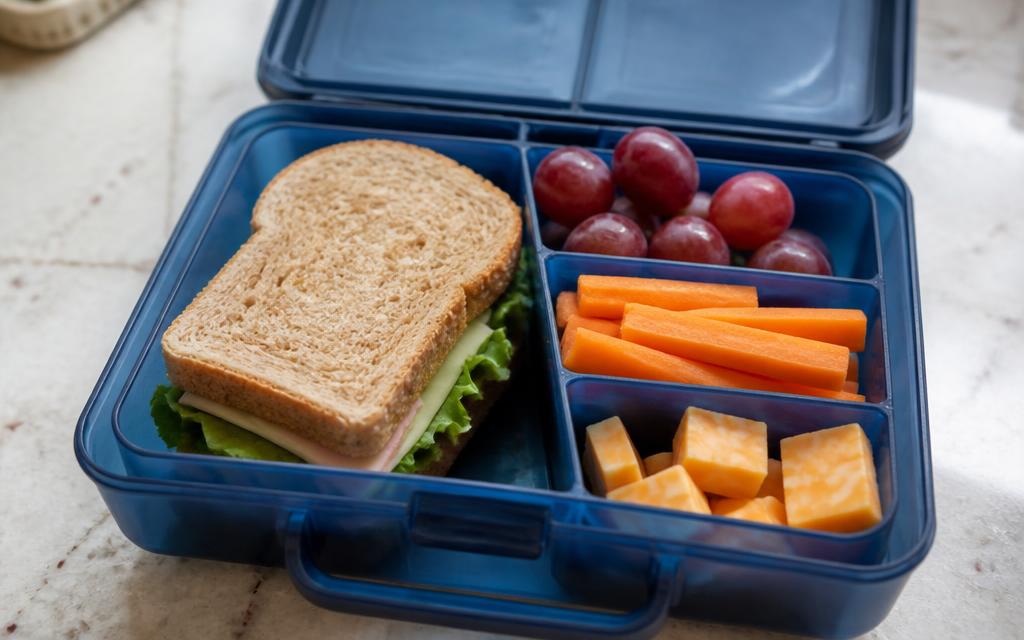
Mornings are busy enough without negotiating over a lunchbox. The good news? A lunch your child will eat does not have to look like it came from a magazine—or require a separate grocery trip.
The goal is simple: pack a few familiar, satisfying foods in portions your child can manage, then make small changes over time. Some days the lunchbox will come home empty. Other days it will come home looking untouched. Both are normal.
Start with a simple lunch formula
Rather than trying to create a brand-new lunch every day, choose one item from each category. This gives your child a balanced meal while keeping your own planning realistic.
- Protein: cheese cubes, yogurt, eggs, beans, hummus, chicken, turkey, tuna, tofu, or leftover meatballs
- Grain or starchy food: whole-grain crackers, bread, pita, tortillas, rice, pasta, potatoes, oats, or muffins
- Fruit or vegetable: berries, orange slices, banana, apple slices, cucumber, carrots, peas, cherry tomatoes, or bell pepper strips
- A filling extra: avocado, a small handful of seeds if allowed at school, cheese, dip, or a homemade trail mix
- A fun familiar item: a cookie, a few pretzels, popcorn, or a small square of chocolate
Including a fun food can take some pressure off lunch. When treats are not treated like a big deal, many kids are better able to enjoy them alongside the rest of their meal.
Pack foods they already like
School lunch is usually not the best place to introduce five new foods at once. Kids have limited time to eat, may be distracted by friends, and may not have help opening containers.
A helpful rule is to include at least one or two foods you know your child usually eats. Then, if you want to build variety, add one small "learning food" beside familiar choices. For example:
- A turkey sandwich with cucumber slices and one new berry
- Leftover pasta with peas and a few roasted chickpeas
- Yogurt, crackers, grapes, and one tiny portion of a new dip
There is no need to pressure your child to eat the new item. Seeing it regularly is part of learning.
Think beyond sandwiches
Sandwiches are convenient, but they are not required. Many kids prefer foods that are easy to pick up and eat in small bites. A snack-style lunch can work especially well for younger children.
Try these budget-friendly ideas:
- Cheese, crackers, fruit, and sliced cucumbers
- Bean and cheese quesadilla wedges with salsa or yogurt for dipping
- Pasta salad made from dinner leftovers, with peas and shredded chicken
- Hummus, pita triangles, carrots, and orange slices
- Egg muffins, toast strips, and berries
- Rice and beans in a thermos with avocado on the side
- DIY lunchable: turkey or beans, cheese, crackers, and fruit
- Sunflower seed butter and banana tortilla roll-ups, where school policies allow
Leftovers can save both money and morning energy. If your child likes dinner, pack a small portion in a food thermos the next day. Warm the thermos with hot water first, then add the hot food just before leaving. Follow your lunchbox and food-safety guidance for safe packing and storage.
Make lunch easy to open and eat
A nutritious lunch is only useful if your child can access it. Before sending a new container, practice opening it at home. The same goes for yogurt tubes, peel-top fruit cups, thermos lids, and zip bags.
Keep portions child-sized. Large servings can feel overwhelming, especially when recess is calling. You can always pack a little extra if your child regularly finishes lunch.
For foods that brown easily, such as apples or pears, slice them close to packing time and toss them with a little lemon juice if your child likes the flavor. Or choose whole fruit that is easy to eat, like a banana, clementine, or small apple.
Let kids help, within reason
Children are often more willing to eat lunches they helped choose. This does not mean handing over the entire plan. It means offering simple choices you are comfortable with.
Try questions like:
- “Would you like crackers or pita with your hummus?”
- “Should we pack grapes or an orange today?”
- “Do you want your yogurt plain or with granola?”
- “Would you rather have leftover pasta or a quesadilla?”
A weekend lunch list can help, too. Write down five proteins, five fruits or vegetables, and a few easy grain options your family enjoys. Your child can circle favorites, and you can use the list when grocery shopping.
Keep expectations realistic
Children’s appetites can change from day to day. Growth, activity, sleep, emotions, and a busy school schedule can all affect how much they eat. Try not to read too much into one unfinished lunch.
If food is consistently coming home, get curious rather than critical. Ask gentle questions: Was there enough time to eat? Was the food hard to open? Was lunch too early? Did they not like sitting near a certain smell? These small details can make a big difference.
Packing school lunches is not about getting everything perfect. It is about offering steady nourishment, familiar choices, and a little flexibility. With a simple formula and a few repeat meals, you can make lunch planning easier—and give your child food they are more likely to enjoy.