
Realistic Weight Gain Expectations During Pregnancy
Pregnancy weight gain can feel like a loaded topic, but it is only one part of a healthy, supported pregnancy. Here is a practical, budget-friendly way to understand the big picture without chasing a perfect number.
6 min read
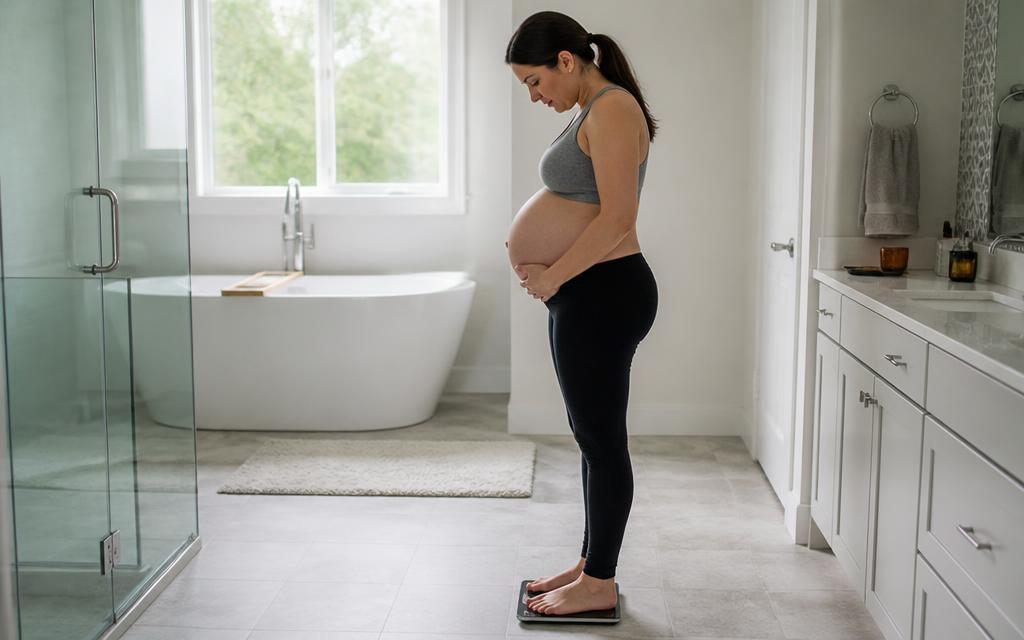
Pregnancy brings plenty of numbers: weeks, due dates, appointment times, baby sizes—and often, the number on the scale. If weight gain feels emotional, confusing, or simply not something you want to think about every day, you are not alone.
The most helpful perspective is this: pregnancy weight gain is not a grade on how well you are doing. Your body is supporting major changes, and the pattern can look different from one person and pregnancy to the next.
Your prenatal provider is the best person to discuss what is appropriate for *your* body, health history, pregnancy, and baby. But you can still approach the topic with realistic expectations and a little less pressure.
What pregnancy weight gain includes
It is easy to assume every pound of pregnancy weight gain is body fat. In reality, your growing baby is only one piece of the picture. Changes may include:
- Your baby
- The placenta and amniotic fluid
- Increased blood volume and body fluids
- A growing uterus and breast tissue
- Energy stores your body may use for pregnancy and feeding a baby after birth
In other words, pregnancy is a season of change—not a time to expect your body to stay the same.
There is no single “right” number for everyone
You may see general weight-gain ranges online or in pregnancy books. Those ranges are usually based on pre-pregnancy body size and whether you are carrying one baby or more. They can be useful conversation starters, but they are not personal instructions.
Your provider may consider many factors, including your starting weight, appetite, nausea, activity level, medical history, prior pregnancies, and how your baby is growing. This is why comparing your gain to a friend’s, influencer’s, or even a previous pregnancy often creates more stress than clarity.
If you have questions about a number you see at an appointment, it is okay to ask:
- “What weight-gain pattern are you looking for over time?”
- “Should I be concerned about this change, or is it normal?”
- “What food or activity habits would you suggest for me?”
- “Can we focus on my overall health rather than the scale at every visit?”
You deserve respectful, straightforward answers.
Weight gain is rarely perfectly steady
Many moms expect the scale to rise in a smooth, predictable line. Real life usually looks messier.
In early pregnancy, nausea, food aversions, fatigue, or a reduced appetite may mean little gain—or even some loss—for a while. Later, hunger may increase, or fluid shifts can make the scale change more quickly from one week to the next. Constipation, salty meals, time of day, clothing, and swelling can affect a single weigh-in, too.
A one-time jump or stall does not tell the full story. Your care team generally looks at the overall pattern along with your health and your baby’s growth. Reach out to your provider if you have concerns about rapid changes, trouble keeping food or fluids down, swelling, or anything that does not feel right to you.
Focus on supportive habits, not “eating for two”
Pregnancy is not a time for restrictive dieting, skipping meals to control the scale, or trying to “earn” food through exercise. It is also not a requirement to double your portions. Most people do better with regular, satisfying meals and snacks that include a mix of carbohydrates, protein, fats, and colorful produce when available.
Simple, family-budget-friendly ideas include:
- Oatmeal topped with peanut butter and fruit
- Eggs, toast, and frozen vegetables
- Bean and cheese quesadillas with salsa
- Yogurt with cereal and berries
- Lentil soup, chili, or bean-based pasta dishes
- Rice bowls with chicken, tofu, beans, or canned fish and vegetables
- A banana, apple, or crackers paired with cheese or nuts
Frozen and canned fruits and vegetables count. Store-brand staples count. A sandwich counts. You do not need expensive “pregnancy foods” to nourish yourself well.
Gentle movement can support how you feel
If your provider has cleared you for movement, gentle activity can be a useful part of pregnancy care—not as punishment or a way to control weight, but to support energy, mood, strength, sleep, and everyday comfort.
Walking, prenatal-friendly strength work, stretching, swimming, and dancing around the kitchen can all be options. Start with what feels doable. Ten minutes after dinner is still movement. Carrying a toddler, taking stairs, and doing a few squats while dinner cooks also add up.
If you are new to exercise, have pain, dizziness, bleeding, contractions, or pregnancy-specific restrictions, check with your provider before changing your routine.
Make room for body changes and mixed feelings
You can be grateful for your pregnancy and still feel uncomfortable in your changing body. You can care about health and also dislike being weighed. Both can be true.
Try to notice when scale checking, body comparison, or food rules are raising your stress. A few helpful boundaries might be:
- Ask to face away from the scale at appointments.
- Mute social media accounts that make you feel behind.
- Choose comfortable clothes that fit your body now.
- Talk with a trusted person if food or body thoughts feel overwhelming.
Your pregnancy does not need to look like anyone else’s to be valid.
The bottom line
Realistic pregnancy weight gain is individual, often uneven, and influenced by far more than willpower. Instead of aiming for a perfect weekly number, aim for consistent care: regular meals, enough fluids, gentle movement when appropriate, rest, and open conversations with your prenatal provider.
You are growing a baby while living your real life—working, parenting, budgeting, managing appointments, and doing your best. That is more than enough reason to treat yourself with patience.