
Walking Your Way Back to Fitness After Pregnancy
Walking is a gentle, budget-friendly way to rebuild your routine after pregnancy—one small outing at a time. Here’s how to start comfortably, fit it into real family life, and make it a habit without pressure.
6 min read
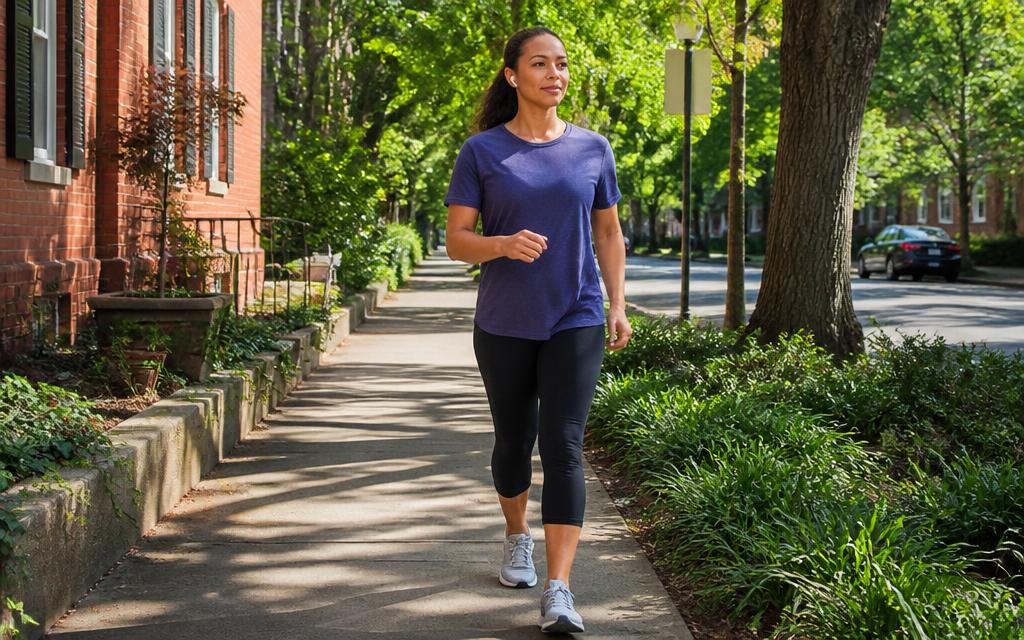
After pregnancy, getting back to movement can feel like one more thing on a very full list. Between feeding a baby, recovering, managing naps, and trying to remember whether you drank water, a workout plan may not be realistic right now.
That is exactly why walking can be such a helpful place to begin. It does not require a gym membership, special equipment, or a perfect uninterrupted hour. A short walk around the block, down the driveway, or through a store can count.
The goal is not to “bounce back.” Your body has done important work, and it deserves patience. Think of walking as a way to support your energy, get some fresh air, and gradually reconnect with movement in this new season.
Start with your own starting point
There is no single timeline for returning to activity after pregnancy. Your delivery, recovery, sleep, feeding routine, and overall health all matter. Before starting or increasing exercise, check with your healthcare provider about what is appropriate for you—especially if you had a C-section, a complicated pregnancy or delivery, pelvic pain, bleeding concerns, or other pregnancy-specific questions.
Once you have the green light, start smaller than you think you need to. A successful first walk might be five or ten minutes at an easy pace. You should be able to breathe comfortably and speak in full sentences.
Try one of these simple starting points:
- Walk for 5 to 10 minutes after breakfast or lunch.
- Take one lap around your block with the stroller.
- Park a little farther from the entrance during an errand.
- Walk around your home while your baby is content in a safe spot.
- Do a five-minute “fresh air reset” during a fussy part of the day.
A short walk is never wasted. It is a vote for your well-being, even when the day does not go as planned.
Build gradually, not perfectly
It can be tempting to go from zero to daily long walks when motivation strikes. But gradual progress is usually easier to sustain, particularly when sleep is unpredictable.
Consider adding just a few minutes to your walks each week, if you feel comfortable. For example, you might begin with 10 minutes three days a week. When that feels manageable, add another day or extend one walk by five minutes.
Instead of aiming for a certain number of steps right away, focus on consistency. A flexible weekly goal can work well:
- Week one: Three short walks.
- Week two: Four short walks, or add a few minutes to each.
- Week three: Choose one slightly longer walk if your schedule allows.
- Week four: Keep the routine that feels good and realistic.
Some weeks will be lighter because of appointments, poor sleep, weather, or a baby who only wants to be held. That does not mean you failed. Restart with the next available opportunity.
Make stroller walks more comfortable
A stroller can turn walking into a practical family activity, but it may take a little trial and error. Check that your baby is ready for the stroller setup you are using and follow the manufacturer’s age, recline, and safety guidance.
For your own comfort, try to stand tall rather than leaning heavily over the handle. Keep your shoulders relaxed, hold the handle gently, and take shorter steps if your stride feels awkward. Comfortable shoes can make a big difference, even if they are simply supportive sneakers you already own.
A small stroller-walk kit can reduce the “getting out the door” stress:
- Water for you
- A snack for later, such as a banana, nuts, or a granola bar
- Diapers and wipes
- A light blanket or weather layer
- Your phone and keys
Prepare the kit once and leave it near the door. The fewer decisions you need to make, the more likely the walk will happen.
Use walking for more than exercise
Walking does not have to be intense to be valuable. It can be a transition between a hard morning and a calmer afternoon. It can be a chance to listen to a podcast, call a friend, notice the weather, or simply be quiet.
If you have older children, invite them along in a way that works for your family. Let them hunt for leaves, count dogs, race to the next mailbox, or bring a scooter. The pace may be slower, but it still counts as movement—and it may become a family rhythm your children remember.
On days you cannot get outside, create an indoor version. Walk laps through the hallway, put on music and march in place, or take a few minutes to move while dinner cooks. Real-life movement is still movement.
Listen to your body with kindness
As you rebuild your fitness, pay attention to how you feel during and after walks. Slow down, shorten the walk, or take a rest day when your body is asking for it. If you have pain, increased bleeding, dizziness, unusual shortness of breath, or concerns about your recovery, stop and contact your healthcare provider for guidance.
Fitness after pregnancy is not a race and it is not a test of willpower. It is a gradual process of caring for yourself while caring for everyone else. Lace up your shoes, step outside for five minutes, and let that be enough for today. Small walks can add up to a stronger, more energized routine—at a pace that honors your life right now.